 330-757-3569




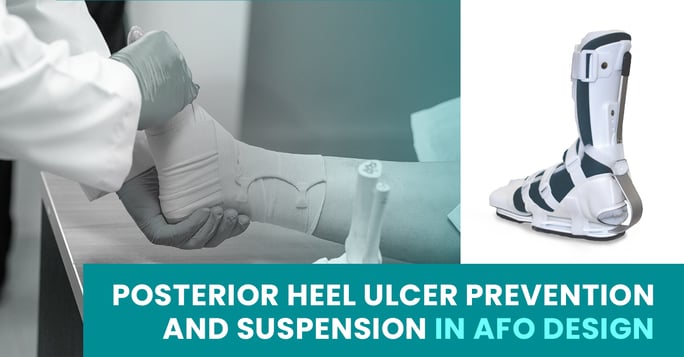
Posterior heel ulcer prevention in AFO design depends on removing sustained heel contact, redistributing pressure away from the calcaneus, and maintaining therapeutic ankle-foot alignment. A heel offloading device or heel suspension brace can help wound care and rehab teams protect vulnerable tissue while supporting positioning, contracture management, and mobility goals when clinically appropriate.
For wound care specialists, nurses, physical therapists, rehab directors, and hospital decision-makers, posterior heel ulcer prevention is both a clinical priority and a systems-level concern. Patients with limited mobility, reduced sensation, vascular compromise, foot drop, or plantar flexion contracture often need more than basic positioning support. They need an orthotic strategy that protects the heel, supports alignment, and fits into daily care protocols. That is where thoughtful AFO design can make a meaningful difference.
Why Posterior Heel Ulcer Prevention Starts With Offloading
The practical goal is simple: reduce sustained heel pressure before tissue breakdown occurs.
The posterior heel is especially vulnerable because the calcaneus has limited soft tissue coverage. When a patient is immobile, has reduced sensation, or cannot reposition independently, pressure can remain concentrated over the same area for extended periods. For wound care specialists and nurses, this creates a clear prevention challenge: protect the heel without interrupting the patient’s broader rehabilitation plan.
Patients at higher risk may include those with:
-
Diabetic neuropathy or diminished protective sensation
-
Stroke, TBI, SCI, cerebral palsy, multiple sclerosis, or muscular dystrophy
-
Poor vascular status or fragile skin integrity
-
Prolonged bed rest, limited mobility, or recumbent positioning
-
Existing wounds or areas of soft tissue compromise
For patients who also need ankle-foot positioning, a heel offloading AFO should do more than cushion the heel. It should help eliminate direct heel contact while maintaining the ankle and foot in a clinically useful position.
That combination matters. Wound care teams need pressure relief. Physical therapists need alignment and mobility support. Hospital administrators and procurement teams need devices that fit into prevention protocols, support efforts to reduce pressure-related complications, and promote efficient care delivery.
How AFO Design Affects Heel Pressure
AFO design has a direct impact on how pressure is distributed across the lower extremity.
Traditional ankle foot orthoses may provide important positioning support, but designs that allow continuous heel contact can create a problem for high-risk patients. If the heel remains loaded against the orthosis, bed, or support surface, pressure may continue to concentrate over the posterior calcaneus.
A pressure-focused AFO design should address four clinical priorities:
- Heel clearance: The posterior heel should remain suspended rather than resting against the device or support surface.
- Ankle-foot alignment: The orthosis should help maintain therapeutic positioning for foot drop, contracture risk, or post-injury stabilization.
- Skin access and monitoring: The care team should be able to inspect the heel and surrounding tissue regularly.
- Functional versatility: The device should support the patient’s current care environment, whether recumbent, seated, standing, or ambulating when appropriate.
This is where suspension-based AFO design becomes valuable. Instead of simply padding the heel, a heel suspension brace creates a void beneath the heel so pressure is redistributed away from vulnerable tissue.
What to Look for in a Heel Offloading Device
Not every heel offloading device offers the same clinical utility. For provider teams, the key question is not only whether the device offloads the heel, but whether it can maintain that offloading during daily use.
A clinically useful heel suspension brace should include several design features.
Positive Heel Suspension
The device should create clear space beneath the heel so the calcaneus does not rest against the orthosis or support surface. Anatomical Concepts, Inc. (ACI) describes positive heel suspension as a core feature of the PRAFO® Orthosis, which is designed to avoid pressure on the heel and other bony areas of the ankle-foot complex when properly fitted.
Adjustable Dorsi/Plantar Flexion Control
Many high-risk patients also require ankle positioning support. A device that allows measurable dorsi/plantar flexion adjustment can help clinicians manage foot drop, plantar flexion contracture, post–tendo-Achilles lengthening (TAL) positioning, post-Botox or serial casting needs, and other rehabilitation goals.
This is especially important for physical therapists and rehab directors because pressure injury prevention cannot be separated from mobility planning. A brace that supports heel offloading while also assisting with ankle positioning can help bridge recumbent care and progressive rehabilitation.
Liner Options for Skin and Wound Considerations
Liner selection affects comfort, moisture management, and accommodation of sensitive or compromised tissue. ACI offers multiple liner options, including Kodel®, Fleece, Terry Cloth, and Pad & Strap systems. The Pad & Strap system is noted in ACI product materials as an option that can accommodate open wound areas more effectively by relieving undue pressure to those areas.
For wound care specialists and nurses, this matters because the best orthotic choice is often the one that allows protection, inspection, and practical daily management.
Secure Walking Base When Ambulation Is Appropriate
Some patients need heel protection while also participating in therapy. The PRAFO® Orthosis includes an integral, securely fastened walking base that provides a shoe-type surface for ambulatory patients.
For rehab teams, this creates a practical advantage: one device can support recumbent positioning and protected mobility when the patient is clinically appropriate for ambulation.
Rotation Control
Unwanted lower-extremity rotation can affect positioning, comfort, and pressure distribution. The PRAFO® Orthosis includes a malleable aluminum anti-rotation bar designed to help control unwanted extremity rotation.
For patients who spend extended periods supine, rotation control can support more consistent positioning as part of a broader pressure injury prevention protocol for the heel.
Where a Heel Suspension Brace Fits in the Care Plan
A heel suspension brace should not be viewed as a standalone solution. It should be integrated into a complete care plan that includes skin assessment, repositioning, vascular considerations, wound monitoring, mobility planning, and patient-specific wear schedules.
For different members of the care team, the value looks slightly different.
For Wound Care Specialists and Nurses
A heel offloading AFO can help reduce direct heel pressure while allowing routine skin checks and wound monitoring. The goal is proactive protection, especially for patients with compromised sensation, existing skin concerns, or limited repositioning ability.
ACI’s fitting instructions emphasize careful inspection of the patient’s heel to ensure there is no contact with the superstructure. They also recommend skin checks after initial wear in patients with compromised sensation, skin breakdown risk, or soft tissue disruption.
For Physical Therapists and Rehab Directors
A pressure relief AFO can support positioning and therapy goals at the same time. When the device also functions as a contracture prevention brace, it may help maintain foot and ankle position, offset joint contracture, and support safer gait preparation.
The PRAFO® Orthosis has also been evaluated for ambulation in individuals with hemiparesis. In the Lin et al. gait analysis study, the device supported ankle positioning during swing phase and helped improve foot positioning for initial contact in studied patients.
For Hospital Administrators and Procurement Teams
Posterior heel ulcer prevention has operational implications. Pressure injuries can increase wound care demands, prolong recovery, complicate discharge planning, and increase resource utilization. A device that combines heel offloading, adjustable positioning, liner options, and ambulation support can offer value across acute care, sub-acute rehab, skilled nursing, and outpatient rehabilitation settings.
Procurement teams should look beyond initial unit cost and evaluate:
- Patient populations served
- Device adjustability
- Liner replacement options
- Applicable coding and reimbursement support
- Durability of the superstructure
- Fit requirements and staff training needs
- Use across recumbent and ambulatory care stages
ACI identifies the PRAFO® Orthosis as PDAC Approved L-Code L4396, with adult, pediatric, and heavy-duty variations available to support different patient needs. Procurement and billing teams should verify current payer requirements before submission.
AFO Feature Checklist for Posterior Heel Ulcer Prevention
When evaluating an AFO for posterior heel ulcer prevention, medical professionals should look for the following:
- Does the device create true posterior heel clearance?
- Can the heel remain suspended in recumbent, seated, and standing positions?
- Does the design support dorsi/plantar flexion adjustment?
- Can it help manage foot drop or plantar flexion contracture?
- Is it appropriate for ambulatory use when clinically indicated?
- Are liner options available for sensitive skin, moisture control, or wound accommodation?
- Can the device be custom-fit by a licensed medical professional?
- Are replacement liners available?
- Is the superstructure durable enough for the intended patient population?
- Does the device fit your facility’s pressure injury prevention and rehab workflows?
This type of checklist helps wound care, therapy, and procurement teams evaluate the same device from different clinical and operational perspectives.
Evidence and Expectations: What Providers Should Know
Heel offloading is a widely accepted principle in pressure injury prevention and wound management, but the language used in clinical marketing should remain precise.
A heel offloading device can help reduce or eliminate direct pressure at the posterior heel when properly selected, fitted, and monitored. However, no orthosis should be presented as a replacement for comprehensive wound care, repositioning, skin inspection, vascular assessment, nutrition support, infection monitoring, or interdisciplinary care planning.
The strongest way to position the PRAFO® Orthosis is as a pressure relief AFO designed for positive heel suspension, ankle-foot positioning, contracture management, and protected ambulation when clinically appropriate. This reflects both ACI’s product materials and the available PRAFO® gait analysis evidence without overstating ulcer-prevention outcomes.
Proactive Heel Protection Starts With the Right Orthotic Strategy
Posterior heel ulcer prevention starts with proactive, team-based decision-making. Wound care specialists and nurses play a crucial role in identifying high-risk patients early and protecting vulnerable tissue before breakdown occurs. Physical therapists and rehab directors need orthotic solutions that support pressure relief, functional positioning, mobility goals, and contracture management. Hospital administrators and procurement teams can strengthen prevention protocols by selecting devices that promote clinical consistency, support rehabilitation workflows, and deliver long-term value.
A well-designed heel suspension brace can help bring those priorities together. By combining positive heel suspension, adjustable AFO design, liner options, rotation control, and ambulation support when appropriate, the PRAFO® Orthosis gives medical professionals a practical option for patients who need pressure relief without sacrificing positioning or rehabilitation potential.
To learn more about selecting the appropriate heel offloading device or contracture prevention brace for your patient population, contact Anatomical Concepts, Inc. for product guidance.
For quick reference, the following answers address common clinical and procurement questions about heel offloading devices, heel suspension braces, and pressure relief AFO design.
Clinical FAQs: Posterior Heel Ulcer Prevention and AFO Design
What is posterior heel ulcer prevention in AFO design?
Posterior heel ulcer prevention in AFO design focuses on reducing sustained pressure and shear at the heel while maintaining therapeutic ankle-foot alignment. In high-risk patients, this often requires a suspension-based design that keeps the posterior heel from resting against the orthosis or support surface.
What is a heel offloading device?
A heel offloading device is a medical device designed to reduce or eliminate pressure at the heel. In orthotic care, a heel offloading AFO may suspend the heel while supporting the foot and ankle in a prescribed position.
How does a heel suspension brace help protect the heel?
A heel suspension brace creates space beneath the posterior heel so the calcaneus is not continuously loaded. This helps redistribute support to more tolerant areas of the lower extremity while allowing clinicians to maintain ankle and foot positioning.
Can a pressure relief AFO also function as a contracture prevention brace?
Yes, depending on the design and patient needs. A pressure relief AFO with adjustable dorsi/plantar flexion control may help maintain ankle-foot positioning and support contracture management while also offloading the heel.
Who should fit a heel offloading AFO?
A heel offloading AFO should be fit by a licensed medical professional trained in orthotic fitting. ACI specifically notes that its orthoses are designed to be trimmed, bent, or modified by licensed health professionals for custom fitting to the patient.
Sources & Further Reading
-
Agency for Healthcare Research and Quality. Preventing Pressure Ulcers in Hospitals: A Toolkit for Improving Quality of Care.
-
Greenwood C, Nelson EA, Nixon J, Vargas-Palacios A, McGinnis E. Comparative effectiveness of heel-specific medical devices for the prevention of heel pressure ulcers: A systematic review.
-
Merck Manual Professional Edition. Pressure Injuries.
-
Lin R, Ounpuu S, Oppedisano M, Kamienski K. Evaluation of the Pressure Relief Ankle Foot Orthosis in Individuals with Hemiparesis Using Three-Dimensional Gait Analysis.
-
Anatomical Concepts, Inc. PRAFO® Orthosis Uses, Features, Measurements, and Fitting Instructions.


