 330-757-3569




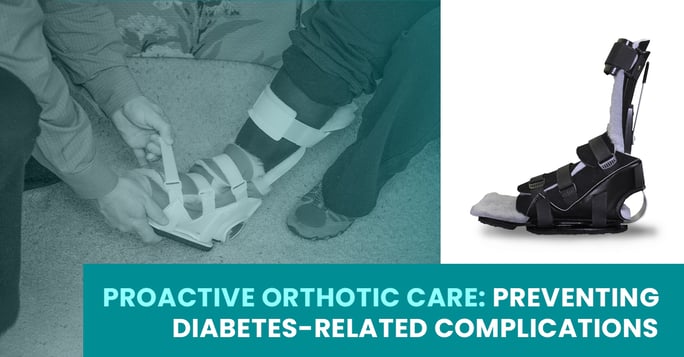
Diabetic foot ulcer prevention is a clinical priority for wound care specialists, podiatrists, physical therapists, rehabilitation professionals, and hospital administrators focused on reducing diabetes-related complications. For high-risk patients, prevention requires more than routine observation. It depends on early identification, consistent foot checks, pressure reduction, mobility support, and timely orthotic intervention when clinically appropriate.
For patients with diabetic neuropathy, vascular compromise, limited mobility, foot drop, or existing areas of skin concern, orthotics for diabetic foot care can help support a more proactive approach. An ankle foot orthosis, including a heel offloading device such as the PRAFO® Orthosis from Anatomical Concepts, Inc., may help protect vulnerable tissue while supporting ankle-foot positioning and rehabilitation goals.
Key Takeaways for Care Teams:
-
Diabetic foot ulcer prevention depends on early risk identification, routine inspection, pressure reduction, and timely intervention.
-
Orthotics for diabetic foot care can help manage pressure, alignment, positioning, and mobility when selected for the patient’s clinical needs.
-
The PRAFO® Orthosis may support heel offloading, ankle-foot positioning, and protected ambulation when clinically appropriate.
Why Diabetic Foot Ulcer Prevention Requires Early Action
mall foot problems can become serious quickly when sensation, circulation, and tissue tolerance are compromised.
Peripheral nerve damage can reduce protective sensation, making it harder for patients to notice cuts, blisters, pressure points, or sores. Poor blood flow can slow healing and increase the risk that a minor wound becomes infected. The CDC notes that nerve damage and poor blood flow put patients at risk for foot ulcers, infection, and possible amputation if complications are not treated early.
For clinicians, this creates a narrow window for prevention. By the time a patient reports pain, pressure, or discomfort, tissue damage may already be present, especially if sensation is diminished.
Patients at higher risk may include those with:
-
Peripheral arterial disease or reduced circulation
-
Prior diabetic foot ulceration
-
Previous lower-extremity amputation
-
Foot deformity, Charcot foot, or limited joint mobility
-
Callus, pre-ulcerative lesions, or fragile skin
-
Foot drop, poor balance, or gait instability
-
Reduced ability to inspect or care for their feet independently
This is why diabetic neuropathy foot care should be proactive, not reactive. Annual comprehensive foot exams, regular foot inspections, patient education, and referral to appropriate specialists are central to preventing diabetic foot complications.
How Diabetic Foot Complications Progress
Diabetic foot complications often develop through a combination of sensory loss, pressure, poor circulation, deformity, and delayed recognition.
A patient with neuropathy may continue walking on a developing pressure area because they cannot feel the warning signs. A patient with vascular compromise may have reduced healing capacity. A patient with foot drop, weakness, or poor ankle control may experience altered gait mechanics that increase pressure in vulnerable areas.
Over time, these factors may contribute to:
-
Skin breakdown
-
Callus formation
-
Pressure injury
-
Diabetic foot ulceration
-
Infection
-
Delayed wound healing
-
Reduced mobility
-
Increased hospitalization risk
-
Lower-extremity amputation risk
The CDC reports that lower-limb amputations are increasing in the United States and that 80 percent of lower-limb amputations are the result of diabetes complications. It also notes that foot checks at home, foot screenings at doctor visits, and wound care can help prevent or delay foot problems.
No single diabetic foot brace or orthosis can prevent amputation in diabetes care by itself. However, appropriate orthotic intervention can help address a key modifiable contributor: sustained pressure on vulnerable tissue.
Where Orthotics Fit in Diabetic Foot Care
Orthotics support diabetic foot care by helping clinicians manage pressure, alignment, mobility, and positioning within a broader prevention plan.
For patients with neuropathy or compromised skin integrity, the aim is to reduce mechanical stress, protect vulnerable tissue, support ankle-foot alignment, and keep the device practical for daily use.
Pressure Reduction and Heel Offloading
Pressure reduction is central to diabetic foot ulcer prevention. Depending on the patient’s presentation, this may involve therapeutic footwear, custom insoles, toe orthoses, offloading devices, or AFOs. IWGDF prevention guidance recommends footwear and orthotic interventions according to ulcer risk and foot presentation, including properly fitting footwear, extra-depth shoes, custom-made footwear, custom-made insoles, toe orthoses, and therapeutic footwear with demonstrated plantar pressure relief in specific high-risk scenarios.
When heel vulnerability, recumbent positioning, limited mobility, or lower-extremity weakness is present, a heel offloading device can help reduce direct contact pressure at the heel.
Ankle-Foot Alignment and Mobility Support
Many diabetic patients who require orthotic management also present with mobility concerns. Diabetic neuropathy can affect balance, gait stability, and confidence with ambulation. ACI’s diabetic-focused PRAFO® article describes AFOs as orthotic options used for conditions involving joint stability and positioning, pressure distribution, and neuromuscular issues. It notes that AFOs can help keep joints in alignment, stabilize gait, compensate for muscle weakness, accommodate deformity, and limit lower-leg and foot movement when clinically appropriate.
For physical therapists and rehabilitation professionals, this matters because diabetic foot ulcer prevention is connected to mobility planning. A patient who cannot safely stand, transfer, or ambulate may face additional risks related to immobility, pressure, and reduced functional participation.
Skin Access, Fit, and Monitoring
For wound care specialists and podiatrists, orthotic fit must support ongoing inspection. The device should allow the care team to monitor skin condition, identify redness or pressure points, and modify the plan before tissue breakdown progresses.
The Indian Health Service foot care guidance recommends inspecting patients’ feet at each diabetes visit, assessing skin integrity, vascular status, foot structure, biomechanics, and neurological status during comprehensive foot exams, and providing risk-appropriate referral to foot care specialists, footwear providers, orthopedists, and vascular surgeons.
Orthotic intervention should fit into that workflow. A device that cannot be monitored, adjusted, cleaned, or tolerated consistently may undermine prevention goals.
What to Look for in an Offloading Device for Diabetic Foot Care
When evaluating an offloading device for diabetic foot care, providers should consider the patient’s risk level, wound location, mobility status, vascular status, sensory function, and care setting.
A device may be appropriate for one patient and inappropriate for another. For example, current diabetic foot guidance distinguishes between prevention, recurrence prevention, heel protection, and treatment of active plantar ulcers.
For neuropathic plantar forefoot or midfoot ulcers, IWGDF guidance identifies non-removable knee-high offloading devices as the first-choice offloading treatment in many cases. For non-plantar ulcers, removable offloading devices, footwear modifications, toe spacers, orthoses, or other interventions may be considered depending on ulcer type and location.
For AFO selection, clinicians should evaluate whether the device can:
-
Reduce pressure on vulnerable tissue
-
Maintain heel clearance when heel offloading is needed
-
Support ankle-foot alignment
-
Accommodate foot drop, weakness, or positioning concerns
-
Allow skin inspection and wound monitoring
-
Provide appropriate liner options
-
Be custom-fit by a qualified medical professional
-
Support mobility when ambulation is clinically appropriate
-
Fit the patient’s care environment, including acute care, rehab, skilled nursing, or home health
-
Integrate into a broader diabetic foot ulcer prevention protocol
The right orthotic choice should support the care plan, not replace it. Foot exams, vascular assessment, glycemic management, wound care, infection monitoring, patient education, footwear evaluation, and interdisciplinary follow-up remain essential.
How the PRAFO® Orthosis Supports Diabetic Rehabilitation
The PRAFO® Orthosis is ACI’s flagship AFO and is designed as a fully adjustable, custom-fitted device that can help manage ankle-foot anomalies in patient populations that include diabetic neuropathy. ACI’s product page identifies the PRAFO® Orthosis as PDAC Approved L-4396 and describes multiple sizes and liner options, including bariatric, adult, and pediatric variations.
For diabetic rehabilitation, the PRAFO® Orthosis may be considered when the clinical goal includes heel offloading, ankle-foot positioning, pressure relief, contracture management, or protected mobility.
Positive Heel Suspension
For patients at risk of heel breakdown, positive heel suspension is one of the most relevant design features. The PRAFO® Orthosis is designed to promote proper foot alignment while reducing pressure on the heel.
This makes the device especially relevant for patients who spend extended time recumbent, have limited ability to reposition independently, or require support for the foot and ankle while wound care and diabetic rehabilitation continue.
Adjustable Dorsi-Plantar Flexion Control
Diabetic patients may present with foot drop, ankle weakness, limited range of motion, contracture risk, or gait instability. ACI materials describe the PRAFO® Orthosis as having a custom-contoured aluminum heel connector bar that controls dorsi-plantar flexion through infinite, measurable adjustments.
For rehabilitation teams, this adjustability can support positioning goals while allowing the plan of care to evolve as the patient’s mobility, range of motion, and tolerance change.
Liner Options and Custom Fitting
Liner selection can affect comfort, pressure distribution, moisture management, skin inspection, and tolerance. ACI identifies several PRAFO® liner options, including Kodel®, Fleece, Terry Cloth, Polyurethane Foam, and Pad & Strap.
For patients with fragile skin or wound considerations, this flexibility gives clinicians more ways to accommodate patient needs. However, liner selection should be guided by the patient’s skin condition, wound location, sensation, moisture concerns, and provider fitting requirements.
Protected Ambulation When Clinically Appropriate
Some patients need pressure relief and positioning support while also participating in therapy. ACI materials describe the PRAFO® Orthosis as including a securely fastened walking base that provides a shoe-type surface for mobile patients.
The PRAFO® Orthosis has also been evaluated in a gait-analysis study of individuals with hemiparesis. That evidence is most appropriate for supporting cautious ambulation and gait-positioning claims, not direct diabetic ulcer-prevention claims.
Building a Proactive Orthotic Care Strategy Across the Care Team
Diabetic foot ulcer prevention requires team-based decision-making. Each provider group sees a different part of the risk profile, and orthotic care should connect those perspectives.
For Wound Care Specialists and Podiatrists
Wound care specialists and podiatrists are often responsible for identifying tissue risk, monitoring wounds, managing callus or pre-ulcerative lesions, coordinating offloading, and referring to other specialists when needed.
For these providers, a diabetic foot brace or AFO should be evaluated based on:
-
Wound location
-
Pressure distribution
-
Heel clearance
-
Skin inspection access
-
Liner compatibility
-
Patient tolerance
-
Ease of donning and doffing
-
Integration with wound care and footwear recommendations
The goal is to support diabetic foot ulcer prevention while avoiding new pressure points.
For Physical Therapists and Rehabilitation Professionals
Physical therapists and rehabilitation professionals evaluate how the patient moves, transfers, stands, and walks. They also see how weakness, foot drop, contracture, balance impairment, and fear of falling may affect tissue stress.
For rehab teams, an AFO may support:
-
Foot and ankle alignment
-
Gait stability
-
Swing-phase clearance
-
Standing and transfer training
-
Contracture management
-
Progressive mobility goals
-
Reduced pressure exposure related to immobility
The PRAFO® Orthosis may be useful when a patient needs heel offloading and ankle-foot positioning while participating in a rehabilitation plan.
For Hospital Administrators and Procurement Teams
For hospital administrators and procurement teams, preventing diabetic foot complications is both a patient-care priority and an operational concern. Diabetes-related foot ulcers can increase care complexity, extend wound care needs, complicate discharge planning, and drive the need for consistent prevention protocols across care settings.
Procurement teams should evaluate orthotic solutions based on more than unit cost. Consider:
-
Patient populations served
-
Fit and modification requirements
-
Staff training needs
-
Liner replacement options
-
Device durability
-
Use across recumbent and ambulatory care stages
-
Coding and reimbursement considerations
-
Compatibility with facility prevention protocols
Orthotic selection should help teams intervene earlier, standardize prevention steps, and support outcomes across care settings.
Proactive Orthotic Care Starts With the Right Prevention Strategy
Diabetic foot ulcer prevention depends on early risk identification, pressure management, mobility support, and consistent follow-up. Orthotics are not a standalone solution, but they can help reduce mechanical stress and support ankle-foot positioning in at-risk patients.
For wound care specialists and podiatrists, the priority is protecting tissue before breakdown progresses. For physical therapists and rehabilitation professionals, it is supporting safe movement while managing pressure, weakness, and positioning. For hospital administrators, it is investing in systems and devices that strengthen prevention protocols and support better care coordination.
The PRAFO® Orthosis offers clinicians a practical AFO option when patients need heel offloading, adjustable ankle-foot positioning, liner flexibility, and protected ambulation when clinically appropriate. As part of a broader diabetic foot care strategy, it can support rehabilitation while helping reduce avoidable heel pressure.
To learn more about selecting the appropriate AFO or heel offloading device for your diabetic patient population, contact Anatomical Concepts, Inc. for product guidance.
For quick reference, the following answers address common clinical and procurement questions about diabetic foot ulcer prevention, orthotics for diabetic foot care, heel offloading devices, and PRAFO® Orthosis selection.
Clinical FAQs: Diabetic Foot Ulcer Prevention and Orthotic Care
What is diabetic foot ulcer prevention?
Diabetic foot ulcer prevention is the process of identifying at-risk patients early, inspecting the feet regularly, managing neuropathy and vascular risk, reducing pressure, using appropriate footwear or offloading, and treating skin concerns before they progress into ulcers.
How can orthotics support diabetic foot ulcer prevention?
Orthotics can help reduce mechanical stress, support alignment, accommodate deformity, improve stability, and offload vulnerable areas. They should be selected based on the patient’s risk factors, wound location, mobility level, and provider assessment.
What should clinicians look for in an offloading device for diabetic foot care?
Clinicians should evaluate pressure reduction, heel clearance, fit, skin access, liner options, mobility needs, ease of monitoring, and whether the device matches the patient’s diagnosis and care environment.
Is the PRAFO® Orthosis appropriate for every diabetic foot ulcer?
No. The PRAFO® Orthosis may be appropriate for patients who need heel offloading, ankle-foot positioning, diabetic neuropathy support, foot drop management, or rehabilitation assistance. It should not be presented as the universal first-line device for all diabetic foot ulcers, especially active plantar ulcers that may require other offloading strategies.
Can a diabetic foot brace help reduce amputation risk?
A diabetic foot brace cannot guarantee amputation prevention. However, when properly selected and used as part of a comprehensive care plan, orthotic intervention can help reduce pressure, support mobility, and address risk factors that contribute to diabetic foot complications.
Who should fit an AFO for a patient with diabetes?
An AFO should be fit by a qualified medical professional trained in orthotic fitting. Patients with neuropathy, poor circulation, wounds, or reduced sensation require careful fit assessment, follow-up, and skin monitoring.
Sources & Further Reading
-
Centers for Disease Control and Prevention. Preventing Diabetes-Related Amputations.
-
Indian Health Service. Diabetes Standards of Care and Resources for Clinicians and Educators: Foot Care.
-
International Working Group on the Diabetic Foot. Guidelines on the Prevention of Foot Ulcers in Persons With Diabetes, 2023 Update.
-
International Working Group on the Diabetic Foot. Guidelines on Offloading Foot Ulcers in Persons With Diabetes, 2023 Update.
-
Anatomical Concepts, Inc. PRAFO® Ankle Foot Orthosis AFO.
-
Anatomical Concepts, Inc. PRAFO® Orthosis AFO Helps Supplement Treatment for Diabetics.
-
Lin R, Ounpuu S, Oppedisano M, Kamienski K. Evaluation of the Pressure Relief Ankle Foot Orthosis in Individuals with Hemiparesis Using Three-Dimensional Gait Analysis.


